Your roof is your home’s first line of defense against the elements, and it’s under constant pressure—whether you realize it or not. From summer heatwaves to winter storms, weather slowly chips away at even the most well-constructed roofs. Understanding how different conditions affect your roofing system can help you stay ahead of potential issues and avoid costly repairs.
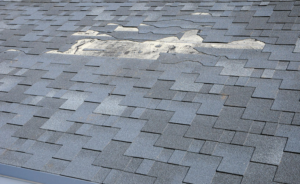
Let’s start with the sun. UV radiation is one of the most subtle and persistent forms of damage a roof faces. Over time, direct sunlight dries out materials, causes color fading, and weakens the protective layers of your shingles or roofing panels. In hot climates, this can also accelerate aging—making your roof brittle and more prone to cracking, warping, or curling. You may not see the effects right away, but over the years, sun exposure alone can significantly shorten a roof’s lifespan.
Then there’s rain, which most roofs are designed to handle—but not always perfectly. If water doesn’t drain properly or gets under the surface due to worn flashing, loose shingles, or clogged gutters, it can lead to leaks, mold growth, and rot. Water intrusion is often hard to spot from the outside. By the time you notice a stain on your ceiling or a musty smell in the attic, the damage has likely already spread. That’s why regular roof inspections are key—especially after heavy storms.
Wind is another factor that’s easy to overlook until a storm hits. Strong gusts can lift shingles, pull them completely off, or blow debris onto your roof that causes impact damage. Once the protective layer is compromised, the roof becomes vulnerable to water and further deterioration. In regions prone to high winds or hurricanes, it’s worth investing in wind-rated materials and making sure your roof is installed to meet local building standards.
Hail storms, even brief ones, can be especially damaging. The impact of hail can crack shingles, dent metal panels, and dislodge the protective granules that shield asphalt shingles from the sun. The challenge with hail damage is that it’s not always visible from ground level—but it can drastically reduce the effectiveness of your roof. That’s why many homeowners don’t realize they need repairs until leaks start appearing weeks or months later.
Snow and ice create an entirely different set of problems. Heavy snow loads can stress your roof’s structural integrity, especially if it’s not designed to bear a lot of weight. But the bigger threat is from ice dams. These form when heat from your home causes snow to melt and then refreeze at the roof’s edge. The resulting ice blocks drainage and forces water back under the shingles, leading to interior leaks. Ice dams are common in colder regions and can be mitigated with proper insulation and ventilation.
Every season brings its own set of risks—and even small issues can grow if they’re ignored. Keeping your roof in good shape means understanding how weather interacts with your home and being proactive about maintenance. A simple inspection after a major storm or once a year can catch early signs of damage before they become expensive problems.
Your roof may be out of sight, but it should never be out of mind. A little awareness goes a long way toward keeping your home protected, year after year.
